A Sister's Story: Heart Attack Warning Signs Women Shouldn't Ignore
Many women mistake heart attack symptoms for stress or minor illness. My sister's experience highlights the need to recognize these warning signs.
Heart Attacks Can Happen to Anyone
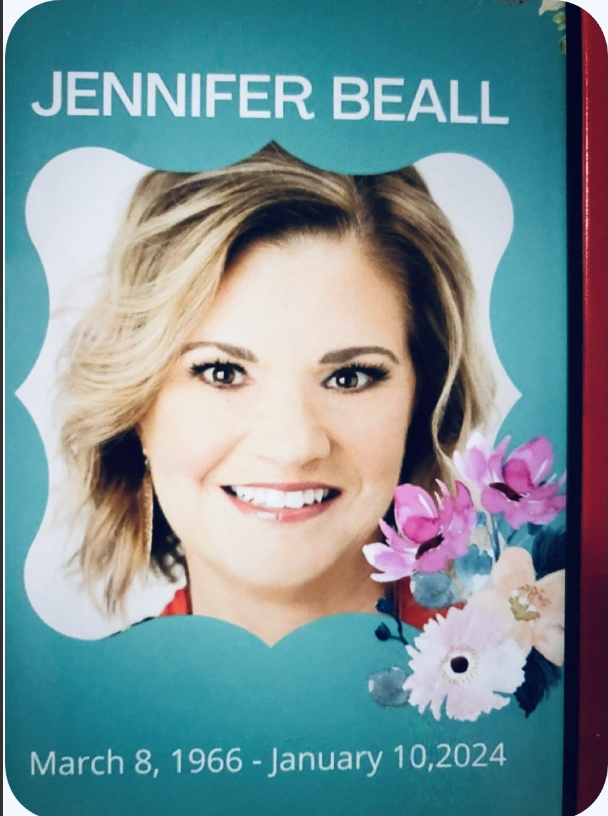
I've seen many heart attacks. I am familiar with the numbers, understand the risk factors and can identify the warning signs that others may miss. But when it came to my own sister, it was hard to understand what was happening until it was too late.
My sister, Jennifer (pictured at right), was a speech therapist who ran her own medical practice. She spent her days helping people heal and find their voices. She was healthy, successful and truly cared about making a difference.
On New Year's Day 2024, Jennifer started feeling sick. What she thought was a stomach bug, like the kind that had been going around at the nursing home where she'd been working, would sadly end her life just nine days later.
Today, I'm sharing Jennifer's story, not just as a medical case study, but as a deeply personal plea. My sister was only 57 years old and worked in the health care field, but even she didn't think she was having a heart attack.
When Our Bodies Talk to Us
Jennifer's experience began the way so many health scares do—as a seemingly normal illness. At first, her nausea felt manageable. She'd been exposed to a stomach virus at the nursing home where she was working that week, so it made perfect sense for her to blame her symptoms on it.
As a cardiac nurse, I knew that ongoing nausea and exhaustion might mean something more serious. Over the next several days, my mother and I kept urging Jennifer to see a doctor. Her symptoms came and went, and sometimes she thought she was getting better. On Jan. 8, 2025, after days of this up-and-down illness, my mother insisted again, and Jennifer finally promised to call a doctor the next morning. She never got the chance.
Heart Attack Symptoms
Like Jennifer, many of us might dismiss common heart attack warning signs as tiredness or simple illness:
- Ongoing nausea and vomiting that doesn't ease with rest or remedies
- Exhaustion that makes you feel like you're moving through molasses
- Flu-like symptoms without the usual fever or congestion
- Aching in unexpected places like the jaw, neck or between shoulder blades
- Shortness of breath that comes without exertion or feels different than usual
- Pressure or tightness in the chest that may feel like indigestion or heartburn
- Pain or discomfort in the arms (especially the left arm), but it can affect both arms
- Lightheadedness or dizziness that doesn't resolve quickly
- Breaking out in a cold sweat without an obvious cause
- Sudden onset of anxiety or feeling of impending doom
- Heart palpitations or an irregular heartbeat that feels different from normal
- Upper back pain between the shoulder blades that seems unrelated to muscle strain
Jennifer's death changed everything I thought I knew about heart attacks, even after years in this field. She was vibrant, strong and only 57. If it could happen to her, someone who understands healthcare, it could happen to anyone.
I'm sharing this most personal story because I know Jennifer would want it to be told. I think it helps to put a face with it. Just by looking at her, you would not think she would die from a heart attack. I want other women to see Jennifer not as a number, but as someone's daughter, sister and friend, someone whose dreams were sadly cut short.
This isn't just about medical facts or warning signs. This is about the difference between being here for your future.
When you are feeling ill, and days pass without improvement, or when the people who know you best can't hide their worry, it’s important to listen to your body and get checked, just in case.
The Subtle Signs of Heart Attacks in Women
Heart attacks rarely announce themselves with the dramatic chest-clutching scenes shown in movies. And women often experience more subtle symptoms that can look like other conditions.
Nausea, vomiting, fatigue, shortness of breath and a general feeling of being unwell can all signal heart problems, yet these symptoms overlap with dozens of less serious conditions.
Research consistently shows that women experiencing heart attacks wait longer to seek treatment than men and face higher heart attack death rates. This is partly because the “silent” heart attack symptoms in women often differ from the "classic" presentation.
Women often attribute their symptoms to exhaustion or workload, and they often have heart attacks while at rest. When combined with the common tendency to delay care due to cost concerns and time constraints, this creates a perfect storm of delayed treatment. Those who pride themselves on being informed and independent may be at greater risk because they feel equipped to make their own medical judgments.
We're Here for You, Just as You Are
If Jennifer's story feels familiar, if you've been pushing through symptoms or explaining away concerns, please know this: seeking care isn't weakness, it's wisdom. It's not giving up, it's showing up for everyone who loves you.
At Chesapeake Regional Healthcare, where I work as a heart nurse, our team understands the unique pressures you face. We know your days don't end at 5 p.m., so we offer walk-in appointments in our urgent care and a 24/7 Emergency Department. We know you need care that fits into your life, not the other way around.
Our providers are here to help you take the next step forward. To find a primary care physician or cardiologist who can help you screen for any heart concerns, visit https://chesapeakeregional.com/find-a-doctor/.
If you're experiencing any symptoms right now—ongoing nausea, unexplained fatigue or something that doesn't feel right—don't wait for morning. Visit our Emergency Department at 736 Battlefield Blvd. North, Chesapeake, VA 23320.
Jennifer's story doesn't have to be yours. Make the call she never got the chance to make. Do it for the people who love you. Do it for the dreams you haven't finished.
Frequently Asked Questions
What heart attack symptoms do women commonly mistake for other conditions?
Women often mistake nausea, vomiting, extreme fatigue, jaw pain and back discomfort for stress, the flu, exhaustion or digestive issues rather than recognizing them as potential heart attack symptoms.
How long should I wait before seeking medical care for ongoing nausea and vomiting?
If nausea and vomiting continue beyond 48 hours, especially without other typical virus symptoms like fever, seek immediate medical evaluation to rule out heart or other issues.
What should I do if a family member refuses to seek medical care for their concerning symptoms?
Write down specific symptoms and how long they've lasted, present clear facts about potential risks, offer to go with them to appointments and consider calling their doctor directly if symptoms are severe.
How can busy women fit preventive heart health screenings into their schedules?
Look for health care providers offering evening and weekend appointments, use telehealth options for initial consultations and consider combining screenings with other routine appointments to make the most of your time.
What heart disease risk factors specifically affect women in their 40s and 50s?
Middle-aged women face increased risks from chronic stress, caregiving responsibilities for both children and aging parents, hormonal changes approaching menopause and a tendency to delay preventive care due to busy lifestyles.
When should I call 911 versus scheduling a doctor's appointment for potential heart symptoms?
Call 911 immediately for sudden severe symptoms, chest pressure with nausea or shortness of breath or if symptoms worsen rapidly. Schedule urgent appointments for ongoing but stable symptoms lasting more than two days.