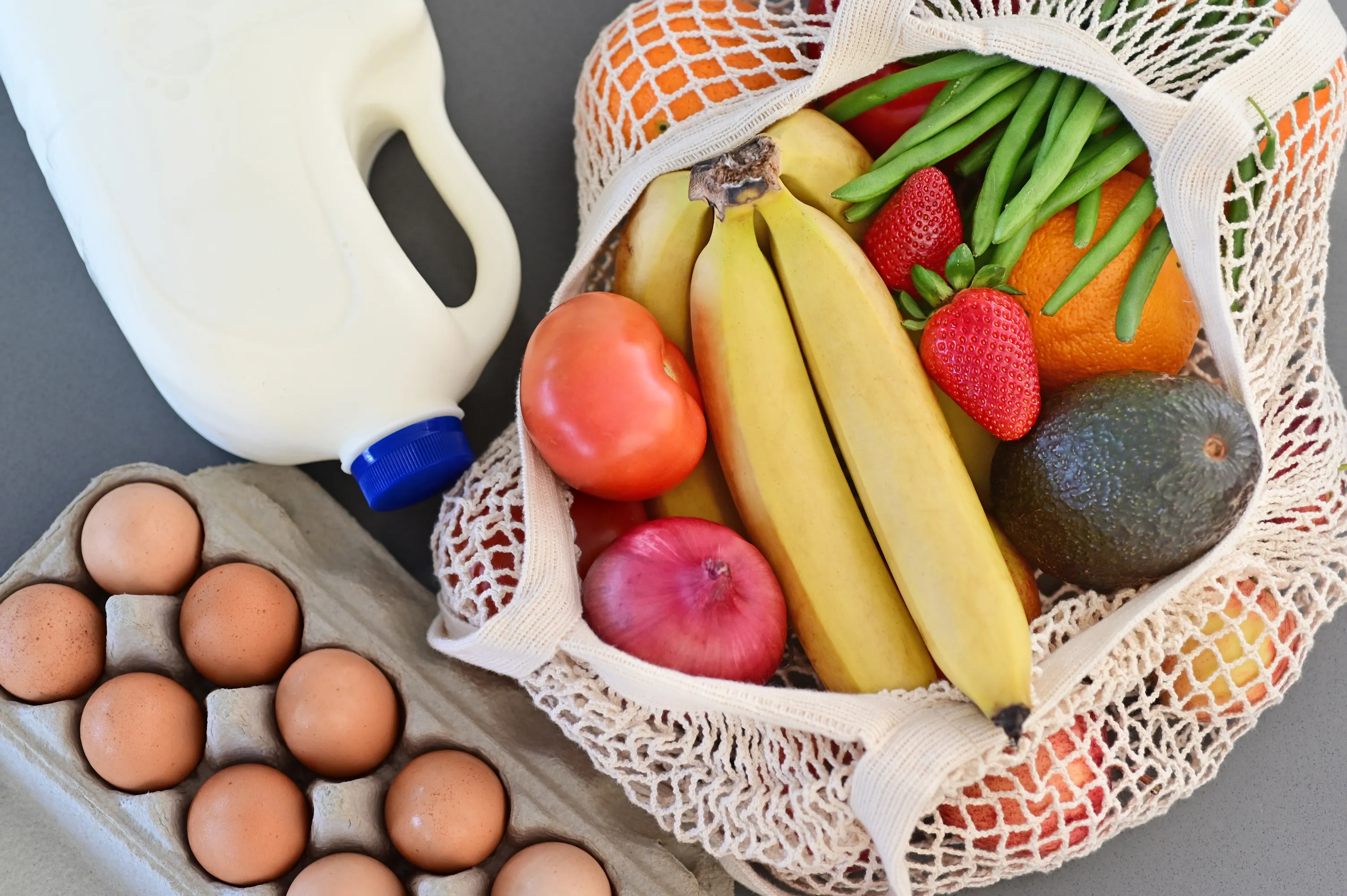
Healthy Grocery Shopping on a Budget: A Practical Guide
Save money and eat healthier with our guide to budget-friendly grocery shopping. Learn how to plan meals, find deals, and choose nutritious foods.
Eat Well for Less: 5 Smart Grocery Shopping Tips for a Healthy Life
This advice comes from Meagan Cariglio, a Registered Dietitian Nutritionist with Chesapeake Regional Healthcare. She is passionate about making healthy eating accessible and achievable for everyone in our community, regardless of their budget.
Building a healthy diet on a budget is entirely possible with a few smart strategies. To succeed, you need to focus on planning and preparation.
- Plan Your Meals: Create a weekly menu based on what you already have and what's on sale.
- Use a List: Always shop with a grocery list to avoid impulse buys that hurt your budget and health goals.
- Embrace Frozen & Canned Goods: Choose frozen produce without added sauces and canned items packed in water to get peak nutrition for less money.
- Diversify Proteins: Incorporate plant-based proteins like beans and lentils, which are less expensive and full of fiber.
- Shop Seasonally: Buy produce that is currently in season to get the best price, flavor, and nutrient content.
Create a Healthier Kitchen Without Breaking Your Budget
Trying to balance your financial goals with your wellness goals can feel like a constant tug-of-war, especially in the grocery aisle. Healthy food often comes with a higher price tag, and when you're managing work, family, and a busy schedule, convenience can easily win out over nutrition. But making nutritious choices doesn't have to drain your bank account. The key to affordable healthy eating isn't about finding a secret, expensive superfood, it's about shifting your shopping strategy. By planning ahead, knowing what to look for, and being flexible, you can fill your cart with wholesome foods that nourish you and your family. With a little forethought, you can take control of your grocery bill and build a foundation for long-term health, proving that eating well is an achievable and sustainable part of everyday life.
Embrace the Frozen Food Aisle
Many of us grew up thinking that "fresh is best," but the frozen food aisle is one of the most underrated sections of the grocery store for healthy, budget-friendly finds. Fruits and vegetables are typically flash-frozen at their peak of ripeness, a process that locks in essential vitamins and minerals. This means that frozen broccoli or strawberries can be just as nutritious—and sometimes more so—than their fresh counterparts, which may have lost some nutrients during long-distance transport.
The financial and practical benefits are significant. Frozen produce is often less expensive per ounce than fresh, and its long shelf-life means you can say goodbye to wilted spinach or moldy berries in the back of your fridge. This drastically reduces food waste, which is like throwing money away. For busy professionals and parents, convenience is a game changer. Having chopped onions, bell peppers, or fruit medleys on hand makes it easier to whip up a quick weeknight stir-fry or morning smoothie. Just be a savvy shopper: check the ingredient list to make sure you're buying just the produce, without added sauces, salt, or sugar that can undermine your health goals.
Organic vs. Conventional Food Items
The pressure to buy whole foods is already high without the added pressure some may feel to buy organic whole foods. Although there may be environmental and health benefits to eating organic foods, research remains limited and mixed. Using the 2019 Behavioral Risk Factor Surveillance system (BRFSS), the CDC found that in 2019 12.3% of adults were meeting the intake recommendations for vegetables and 10% of adults were meeting the intake recommendations for fruit. Focusing on eating the recommended amounts of fruits and vegetables consistently should stay in focus. With everything in life, we must determine our priorities which will look different for everyone. A registered dietitian is a great person to discuss this topic further with to help you determine what is right for you.
Craft a Strategic Meal Plan
Walking into a grocery store without a plan is a recipe for budget disaster. A strategic meal plan is your best defense against impulse buys and decision fatigue. Start by taking inventory. Before you even think about a list, check your pantry, refrigerator, and freezer. Building your menu around ingredients you already have is the fastest way to cut your grocery bill. Next, look at weekly store flyers or use your grocery store app to see what's on sale. If chicken breast and sweet potatoes are discounted, plan for a meal of roasted chicken and vegetables. This approach of planning around sales, rather than picking a recipe and hoping the ingredients are cheap, ensures you're always getting the best value.
Once you have a rough menu for the week, create a detailed shopping list organized by store section (produce, dairy, meats, etc.) to make your trip more efficient. And most importantly, stick to it. The cleverly marketed snacks at the end of the aisles are designed to sabotage both your diet and your budget. Using a digital list on your phone can help you stay focused and avoid the temptation of last-minute additions.
Alternate and Diversify Your Protein Sources
Protein is essential for building muscle and feeling full, but it can also be the most expensive part of your grocery bill. Lean meats and fresh fish are excellent, but you can stretch your dollars significantly by diversifying your protein sources. Incorporate more plant-based proteins into your weekly menu. Dried beans, peas, and lentils are nutritional powerhouses, packed with protein and fiber for a fraction of the cost of meat. A bag of lentils can be the base for multiple meals, from hearty soups to savory salads. Canned beans, like chickpeas and black beans, are fantastic for making homemade hummus, veggie burgers, or adding a protein boost to tacos and chilis.
Don't forget other budget-friendly options like eggs, which are a versatile source of high-quality protein. Canned tuna or salmon are also excellent, cost-effective choices that provide valuable omega-3 fatty acids. By rotating these options through your meal plan, perhaps starting with a "Meatless Monday," you can lower your grocery spending without sacrificing this vital nutrient.
Sync Your Shopping with the Seasons
Shopping seasonally is a simple concept with a huge impact on your wallet and your plate. When fruits and vegetables are in season, they are at their most plentiful, which drives down the cost. This is the simple economic principle of supply and demand working in your favor. Beyond the savings, in-season produce tastes better and is more nutritious. A juicy, red tomato at the peak of summer has a vibrant flavor and higher vitamin content than a pale, mealy one shipped from across the world in the middle of winter.
To get started, learn what grows in our region during different times of the year. In Virginia and northeastern North Carolina, fall is perfect for enjoying apples, pumpkins, and sweet potatoes. Summer brings an abundance of corn, peaches, and tomatoes to the region. Visiting a local farmers' market is a great way to connect with your community, support local agriculture, and get the freshest seasonal produce available. The USDA also provides helpful online guides that can show you what's in season near you, making it easy to plan your shopping trips around the freshest and most affordable options.
Your Path to Affordable Wellness Starts Here
Taking control of your health doesn't require a complete lifestyle overhaul or a limitless budget. It begins with small, intentional choices that add up over time. By implementing these grocery shopping strategies—planning your meals, embracing cost-effective alternatives like frozen produce and legumes, and shopping with the seasons—you are not just saving money. You are investing in your long-term well-being. You're equipping yourself with the tools to build a sustainable, healthy lifestyle that fits your reality.
Every planned meal and every smart purchase is a step toward feeling more energized and empowered. This thoughtful approach to nutrition makes healthy eating less of a chore and more of an integrated, enjoyable part of your life. Chesapeake Regional Healthcare is committed to supporting you on this journey, providing the resources and care you need to thrive right here in our community.
Ready to build a healthier lifestyle? Find a Chesapeake Regional primary care provider or registered dietitian nutritionist to guide your wellness journey.
FAQ:
Is frozen food really as healthy as fresh food?
Yes, in many cases, it is. Produce is frozen at its peak of freshness, which preserves its vitamin and mineral content. Fresh produce can lose some of its nutritional value over the time it takes to be shipped to the grocery store, so frozen can be an excellent and highly nutritious option.
What are some good apps for meal planning on a budget?
Many apps can help streamline your planning. Apps like Mealime and Paprika are great for organizing recipes and creating shopping lists. Your local grocery store's app is also a powerful tool for finding weekly deals and digital coupons to build your plan around.
How can I save money on healthy proteins like meat and fish?
Look for sales and buy in bulk when you can, freezing portions for later. Also, incorporate less expensive but highly nutritious proteins like eggs, canned tuna, and plant-based options like lentils, beans, and chickpeas into your weekly routine.
What is the easiest way to start shopping seasonally?
Start by visiting a local farmers' market to see what local growers are selling—that's the freshest, most seasonal produce you can find. You can also use online resources like the USDA's Seasonal Produce Guide to see what's in season each month.
How do I avoid unhealthy impulse buys at the grocery store?
The best strategy is to never shop hungry and to always use a detailed list. Sticking to your list prevents you from grabbing tempting but unhealthy items placed in high-traffic areas. Using the self-checkout lane can also reduce your exposure to candy and snacks at the main registers.
Are canned vegetables a good budget-friendly option too?
Absolutely. Like frozen vegetables, canned ones are an affordable and convenient choice. To keep them healthy, look for options with no added salt or those packed in water instead of syrup or heavy sauce. Rinsing canned beans and vegetables before use can also help reduce their sodium content.