Fiber Up: Your Guide to Colon Cancer Prevention Through Smart Eating
Quick Tips
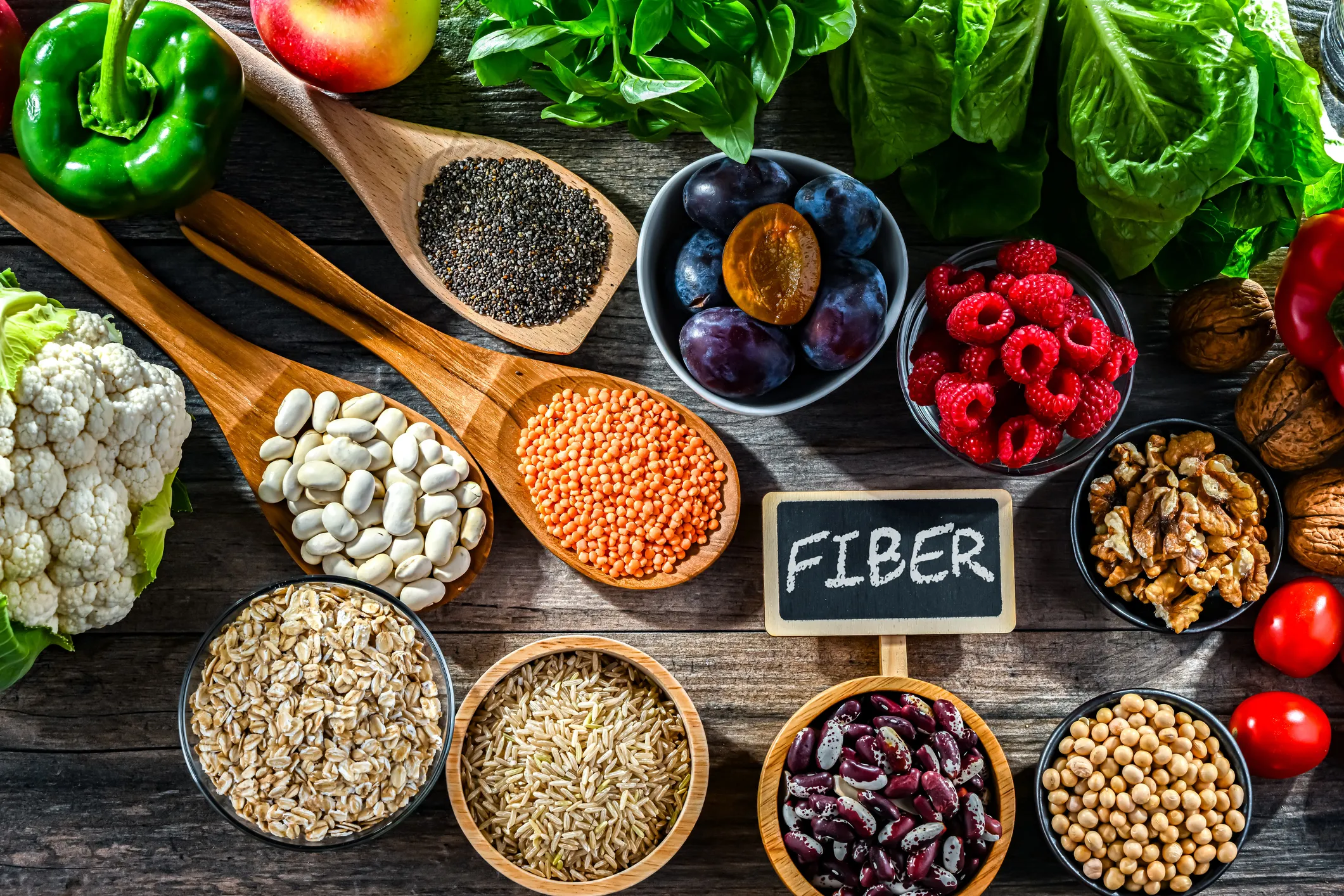
- Eat 25-35 grams of fiber daily to reduce colon cancer risk
- Start meals with vegetables and choose whole grains over refined options
- Add fiber slowly and drink more water to avoid stomach problems
- Simple swaps like keeping peels on fruit and choosing high-fiber cereals make a big difference
Change Your Plate to Protect Your Colon
In addition to regular colonoscopies, eating 25-35 grams of fiber each day is one of the most effective ways to help prevent colon cancer. Mayo Clinic says that fiber-rich foods not only lower the risk of many cancers but may also contribute to a longer life. This straightforward eating plan requires no prescriptions or appointments, only smart choices at every meal.
Start Your Day with Fiber at Breakfast
Beginning the day with fiber helps you reach your daily goals. Pick breakfast cereals with three or more grams of fiber per serving for an instant boost. If you like toast, choose bread with at least two grams of fiber per slice to double the benefit. These easy morning swaps can give you five to seven grams toward your daily goal before you leave home.
Adding berries to yogurt or cereal boosts both fiber and healthy nutrients. Fresh blueberries, raspberries or sliced strawberries add two to four grams of fiber per half-cup while making food taste better naturally.
Make Every Meal Rich in Fiber
Planning high-fiber foods at every meal helps you get enough fiber all day. Eating vegetables first at each meal does two things: it increases fiber intake while naturally reducing portions of less healthy foods. A 2018 study in The Jounal of the American Medical Association found that fiber intake especially helps colon cancer survivors, showing its protective effects even after diagnosis.
Simple additions turn regular meals into fiber powerhouses. Adding avocado to sandwiches or salads gives you five grams of fiber per half fruit. Keeping peels on apples, cucumbers and potatoes saves valuable fiber that would otherwise be thrown away. These changes take little effort while giving maximum nutrition.
Smart Snacking and Easy Ingredient Swaps
Snacks between meals offer more chances to boost fiber intake. Raw vegetables, fresh fruit, air-popped popcorn and whole-grain crackers provide satisfying options that help you reach your daily goals. A quarter-cup of almonds delivers four grams of fiber, while an apple with skin provides another four grams.
Kitchen swaps multiply fiber content easily. Replace refined grains with whole grain alternatives, use high-fiber flours in baking and add beans, peas and lentils to recipes to significantly increase fiber. Choose whole fruits over juice to keep natural fiber while reducing sugar intake.
Your Action Plan for Lasting Change
Using these fiber-rich strategies helps beyond colon cancer prevention. A high-fiber diet reduces the risk of diabetes and heart disease while maintaining healthy cholesterol levels and weight. Regular fiber intake normalizes bowel movements, potentially preventing diverticulitis, hemorrhoids and other colorectal conditions.
Success requires slow changes. Adding fiber gradually lets your digestive system adapt while preventing discomfort. Drinking more water along with eating more fiber ensures smooth digestion and maximizes benefits. These lasting changes create healthy habits that protect colon health for years to come.
Take the First Step Today
Ready to improve your colon health through smart nutrition? Schedule a consultation with Chesapeake Regional Healthcare's specialists to develop a personalized high fiber eating plan. Our registered dietitians can assess your current diet, identify improvement opportunities and create a customized approach that fits your lifestyle or diagnosis. Call 757-312-8121 to book your consultation and start building your cancer prevention strategy today.
Frequently Asked Questions
- How quickly should I increase my fiber intake to reach 25-35 grams daily?
Slowly increase fiber consumption by five grams per week to allow your digestive system to adjust comfortably. - What are the highest fiber foods for busy professionals?
Portable options include apples with skin (four grams), almonds (four grams per quarter cup) and whole grain crackers with hummus (six grams combined). - Can fiber supplements replace whole food sources for colon cancer prevention?
While supplements can help, whole foods provide additional nutrients and healthy plant compounds that work together with fiber for the best protection. - How much water should I drink when increasing fiber intake?
Aim for at least eight to 10 glasses of water daily, adding an extra glass for every five grams of fiber above your baseline. - Which vegetables provide the most fiber per serving?
Artichokes (10 grams), green peas (nine grams per cup) and Brussels sprouts (four grams per cup) rank among the highest fiber vegetables. - Do cooking methods affect the fiber content of foods?
Fiber content stays stable through cooking, though keeping skins on and avoiding over-processing preserves maximum fiber. - What symptoms indicate I'm increasing fiber too quickly?
Bloating, gas and cramping suggest rapid increases. Scale back and increase more slowly while ensuring adequate hydration.
Miranda is a Registered Dietitian with 20 years’ experience in the nutrition field. She is a graduate of Virginia Tech with a Bachelor of Science degree: Human Nutrition, Foods, and Exercise. She completed her Dietetic Internship Program with the Virginia Department of Health. She has an extensive background in clinical dietetics that include oncology, dialysis, nutrition support (tube-feedings), and wound healing. Miranda is a native of Chesapeake, VA and enjoys helping her community achieve better health through nutrition.